
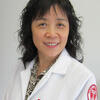
Welcome to the Center for Metabolic Disease Research (CMDR) at Temple University. Our mission is to carry out groundbreaking research that improves how we understand and treat serious diseases through discovery, collaboration and education.
At CMDR, our multidisciplinary team studies many conditions that affect human health, such as:
- Metabolic Disorders: hyperinsulinemia, hyperlipidemia, hyperhomocysteinemia (HHcy), obesity, diabetes and metabolic dysfunction–associated steatotic liver disease (MASLD)
- Cardiovascular and Vascular Conditions: hypertension, vascular inflammation, thrombosis, atherosclerosis, stroke, aortic stenosis, heart failure and cardiovascular disease (CVD)
- Renal Disorders: chronic kidney disease (CKD) and acute kidney injury (AKI)
- Neurological Disorders: Alzheimer’s disease (AD)
- Reproductive and Endocrine Disorders: hyperandremia, polycystic ovary syndrome (PCOS) and infertility
Our center includes more than 21 faculty and staff with appointments across the Lewis Katz School of Medicine. With support from NIH and other funders, our scientists, clinicians and educators are leaders in their fields. We also train future researchers through postdoctoral, graduate, undergraduate and internship programs, as well as seminars, journal clubs and our annual research symposium.
Research at CMDR spans many areas, including multi-omics, vascular biology, lipid metabolism, stem cell and gene-based repair, drug discovery, bioinformatics, mitochondrial biology, extracellular matrix remodeling, platelet biology and metabolic reprogramming. These projects show our belief that progress happens when ideas and expertise connect across disciplines.
We invite you to explore our research and educational opportunities, attend our seminars and connect with our faculty. Whether you are a student eager to learn, a researcher seeking collaboration or a community partner interested in advancing health, we welcome your involvement.
Together, we can build a stronger foundation for discovery, innovation and patient care.
Sincerely,
Hong Wang, MD, PhD, EMBA
Director, Center for Metabolic Disease Research